
Homeowner’s insurance can feel like one of those non-negotiable expenses—right up there with property taxes. But here’s the good news: insurers don’t just pull your premium out of thin air. They calculate it based on risk, and many of those risk factors are things you can control.
I’ve been there—opening a renewal notice and wondering why the price crept up again. The truth is, even small changes to your home and habits can signal to insurers that you’re a safer bet, which often translates to real savings. According to guidance from the Insurance Information Institute, risk mitigation is one of the most reliable ways to lower premiums over time.
Let’s break down exactly what insurers look at—and how you can reduce those risks without turning your house upside down.
Improve Home Security (One of the Fastest Wins)
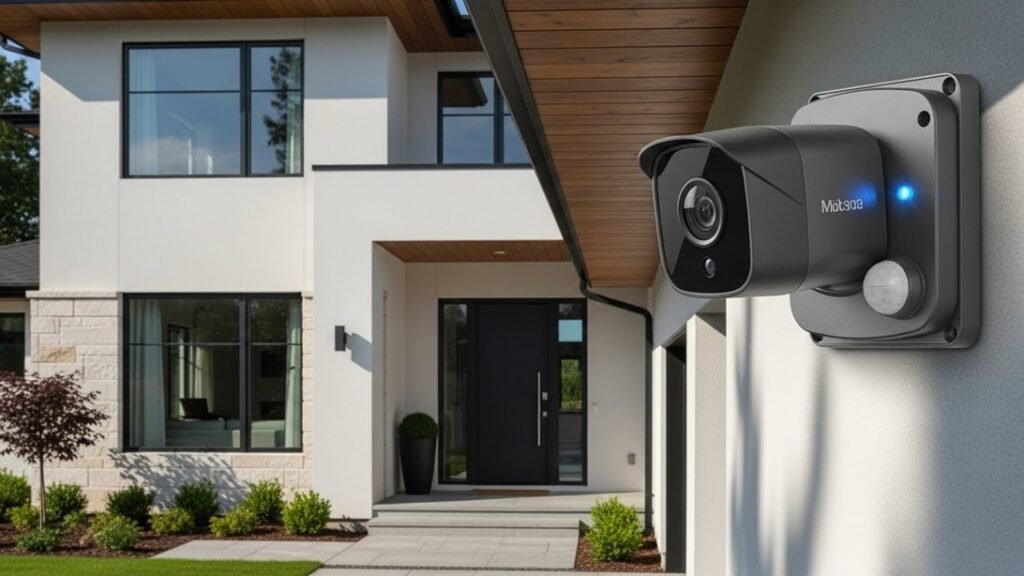
If insurers love anything, it’s preventing claims before they happen. Theft and vandalism are major cost drivers, which is why security upgrades can unlock discounts.
Risk-reducing upgrades to consider:
- Professionally monitored alarm systems
- Smart doorbells or outdoor cameras
- Motion-sensor exterior lighting
- Deadbolt locks on all exterior doors
Many insurers offer 5–20% discounts for monitored systems. Pro tip: always ask your insurer which brands or certifications qualify before buying.
Reduce Fire Risk Inside and Out
Fire damage is one of the most expensive homeowner claims, which makes fire prevention a big deal for insurers. The National Fire Protection Association emphasizes that most residential fires are preventable with basic maintenance.
Smart fire-risk reductions:
- Install smoke detectors on every level (and test them twice a year)
- Keep fire extinguishers in the kitchen and garage
- Update outdated electrical wiring or panels
- Clean dryer vents annually to prevent lint fires
These steps not only protect your home—they also show insurers you’re proactive, which can help keep rates down.
Prevent Water Damage Before It Starts
Water damage claims are rising fast—and insurers are responding by raising premiums. The good news? Water risks are often cheap to fix compared to the damage they cause.
Ways to lower water-related risk:
- Install leak detectors near sinks, water heaters, and washing machines
- Upgrade old plumbing materials
- Maintain your roof and clean gutters regularly
- Add a sump pump or backflow valve if you have a basement
Some insurers even discount homes with automatic water shutoff systems because they dramatically reduce claim severity.
Upgrade Aging Home Systems
Older homes aren’t doomed—but insurers worry about what they can’t see. Aging systems increase the likelihood of costly claims.
High-impact upgrades insurers care about:
- New or reinforced roofing
- Updated HVAC systems
- Modern plumbing (PEX or copper instead of galvanized steel)
- Electrical upgrades (especially replacing knob-and-tube wiring)
If you’ve recently completed upgrades, make sure your insurer knows. You may be paying for risks that no longer exist.
Fortify Against Natural Disasters
If you live in a disaster-prone area, mitigation matters even more. Insurers often reward homes built or retrofitted to withstand local threats.
Risk-reduction examples:
- Hurricane shutters or impact-resistant windows
- Roof tie-downs or reinforced trusses
- Fire-resistant landscaping in wildfire zones
- Elevated utilities in flood-prone areas
While these upgrades can be an investment, they may qualify for premium reductions—and sometimes grants or tax incentives.
Talk to Your Insurer (Yes, Really)
Reducing risk only helps if your insurer recognizes it. After making changes:
- Document upgrades with receipts and photos
- Request a policy review
- Ask specifically about risk-mitigation discounts
The Consumer Financial Protection Bureau recommends reviewing insurance policies annually to ensure pricing reflects your current risk profile.
Final Thoughts: Lower Risk = Lower Premiums
Lowering your homeowner’s insurance isn’t about cutting corners—it’s about making your home safer, smarter, and more resilient. The bonus? These upgrades protect your biggest asset and your peace of mind.
Start with one or two changes, tell your insurer, and build from there. Over time, those small steps can add up to meaningful savings.
👉 Your turn: What’s one home upgrade you’ve made that paid off? Share in the comments—or check out our related guides on insurance savings and smart home upgrades.